

What Is a Home Inspection?
A home inspection is a visual evaluation of a home’s accessible systems and components.
A Maryland-licensed home inspector examines accessible areas inside and outside the home for visible conditions involving the structure, roof, exterior, plumbing, electrical system, heating and cooling equipment, interior and other components included in the inspection agreement.
The Written Report May Include:
- Photographs
- Safety concerns
- Visible defects
- Maintenance recommendations
- Systems that were not accessible
- Components that could not be operated
- Recommendations for additional evaluation
- Explanations of important home systems
A home inspection can help you better understand the property, but it cannot reveal every concealed or future condition.
Why Are Home Inspections Important?
A home can appear well maintained while still having components that need attention. An inspection provides a closer look at the systems and areas that may not be obvious during an ordinary showing or walkthrough.
An Inspection May Help Someone:
- Identify visible safety concerns
- Understand the condition of major systems
- Learn where important shutoffs and controls are located
- Recognize maintenance needs
- Plan for possible repairs or improvements
- Decide whether specialist evaluations are needed
- Prepare questions for contractors or other professionals
- Make better-informed real estate or homeownership decisions

When Does a Home Inspection Happen?
Buyer’s Home Inspection
A buyer’s inspection generally takes place after an offer has been accepted and before the inspection deadline stated in the purchase agreement.
Typical Buyer Inspection Timeline:
🏠 Offer Accepted → 📅 Inspection Scheduled (1–3 days) → 🔍 Inspection Completed → 📄 Report Delivered → 👀 Results Reviewed → ✍️ Response Submitted
The inspection deadline can move quickly. Buyers should understand when the inspection must be completed, when notice must be provided and what responses are permitted under the signed agreement.
Seller’s Pre-Listing Inspection
A seller may choose to arrange a pre-listing inspection before putting the home on the market.
A pre-listing inspection may help the seller:
• Identify possible concerns before showings begin
• Decide which repairs to complete
• Gather estimates for larger projects
• Prepare documentation for previous work
• Reduce surprises after accepting an offer
• Present the home more confidently
• Set realistic expectations for the sale
A seller’s pre-listing inspection does not prevent a buyer from obtaining an independent inspection.
Home Maintenance Inspection
Current homeowners may choose to schedule an inspection even when they are not buying or selling.
A maintenance-focused inspection may help homeowners:
• Identify developing concerns
• Prioritize maintenance projects
• Prepare for renovations
• Monitor aging systems
• Plan a repair budget
• Learn more about unfamiliar components
• Evaluate the home after severe weather or water intrusion
The exact service should be discussed with the inspector before scheduling.
What Should You Expect During a Home Inspection?
Questions to Ask Before the Appointment
Before scheduling, confirm key details with your inspector:
• What is included and excluded?
• How long should the inspection take?
• Can the client attend?
• When will the report be delivered?
• Are photographs included?
Additional Inspector Inquiries
Additional questions to consider asking:
• Are specialty tests available?
• How are follow-up questions handled?
• Is a sample report available?
• What happens when an area is inaccessible?
Attending & Best Practices
Attending at least part of the inspection may help the client understand the report and ask questions about observed conditions, safety and maintenance.
Avoid distracting the inspector or expecting immediate repair estimates. The inspector’s primary responsibility is to observe accessible components and document relevant conditions.
What Does a Maryland Home Inspection Cover?
The exact scope is defined by the inspector’s written agreement and Maryland’s minimum standards of practice.
A typical home inspection may include accessible components of the following areas.
Structural System
Exterior
Roof System
Plumbing System
Electrical System
Heating and Cooling Systems
Interior Components
Insulation and Ventilation
Fireplaces and Solid-Fuel Appliances
Maryland Home Inspection Standards
Review Maryland’s official Standards of Practice for additional information about licensed home inspections.
What Is Outside a General Home Inspector’s Required Scope?
A general home inspection is visual and is not technically exhaustive. Inspectors are not required to damage finished surfaces, perform destructive testing or enter areas that may present a safety risk.
Unless additional services are included in the inspection agreement, an inspector generally is not required to:
When an inspector observes a condition outside the general scope, the report may recommend evaluation by a licensed contractor, engineer or qualified specialist.
What a Home Inspector Cannot Determine
A home inspection provides valuable information, but it has limits. Watch this video to learn which concealed conditions, environmental concerns, future failures and technical calculations may require additional professionals.
Have Home Inspection Questions? →Home Inspection Considerations in Southern Maryland
Homes throughout St. Mary’s, Calvert and Charles counties may include private wells, septic systems, crawlspaces, waterfront features and older building components.
These features may require services beyond a general home inspection.
Private Wells and Water Testing
A general home inspection does not automatically determine the quality or safety of private-well water.
Separate water sampling may evaluate water for bacteria, nitrates, pH and other possible contaminants based on the home and local recommendations.
Important questions may include:Septic Systems
A general home inspection does not replace a septic property-transfer inspection.
A separate septic inspection may evaluate accessible components, operating conditions and available system records.
Questions may include:Waterfront and Water-Access Homes
Waterfront and water-access homes may require additional attention to moisture, drainage, shoreline conditions and exterior structures.
A general inspector is not required to inspect:
A general home inspection also does not determine flood-zone status or insurance availability. Those items should be reviewed separately.
Crawlspaces, Moisture and Pest Concerns
Some Southern Maryland homes include crawlspaces or are located near tidal waterways and low-lying areas.
Accessible areas that may deserve attention include:
Radon Testing
Radon is an invisible, odorless radioactive gas that cannot be identified through an ordinary visual inspection.
Testing is the only way to determine a home’s radon level. Buyers, sellers and homeowners may want to understand what radon is and how testing works.
Older Homes
Older homes may have systems or materials that deserve additional attention, including:
General Inspection Versus Specialty Inspections
A general home inspection covers many visible and accessible components of a home, but some property features or concerns may require evaluation by a qualified specialist.
How to Choose a Maryland Home Inspector
Before hiring a home inspector, compare qualifications, services and inspection agreements.
Consider asking:
Home Inspection Versus Appraisal
A home inspection and an appraisal serve different purposes.
Home Inspection
A home inspection evaluates accessible systems and components to help someone understand visible property conditions.
Appraisal
An appraisal develops an opinion of the home’s value. During a financed purchase, the lender commonly uses the appraisal to evaluate whether the home supports the loan amount.
How to Review a Home Inspection Report
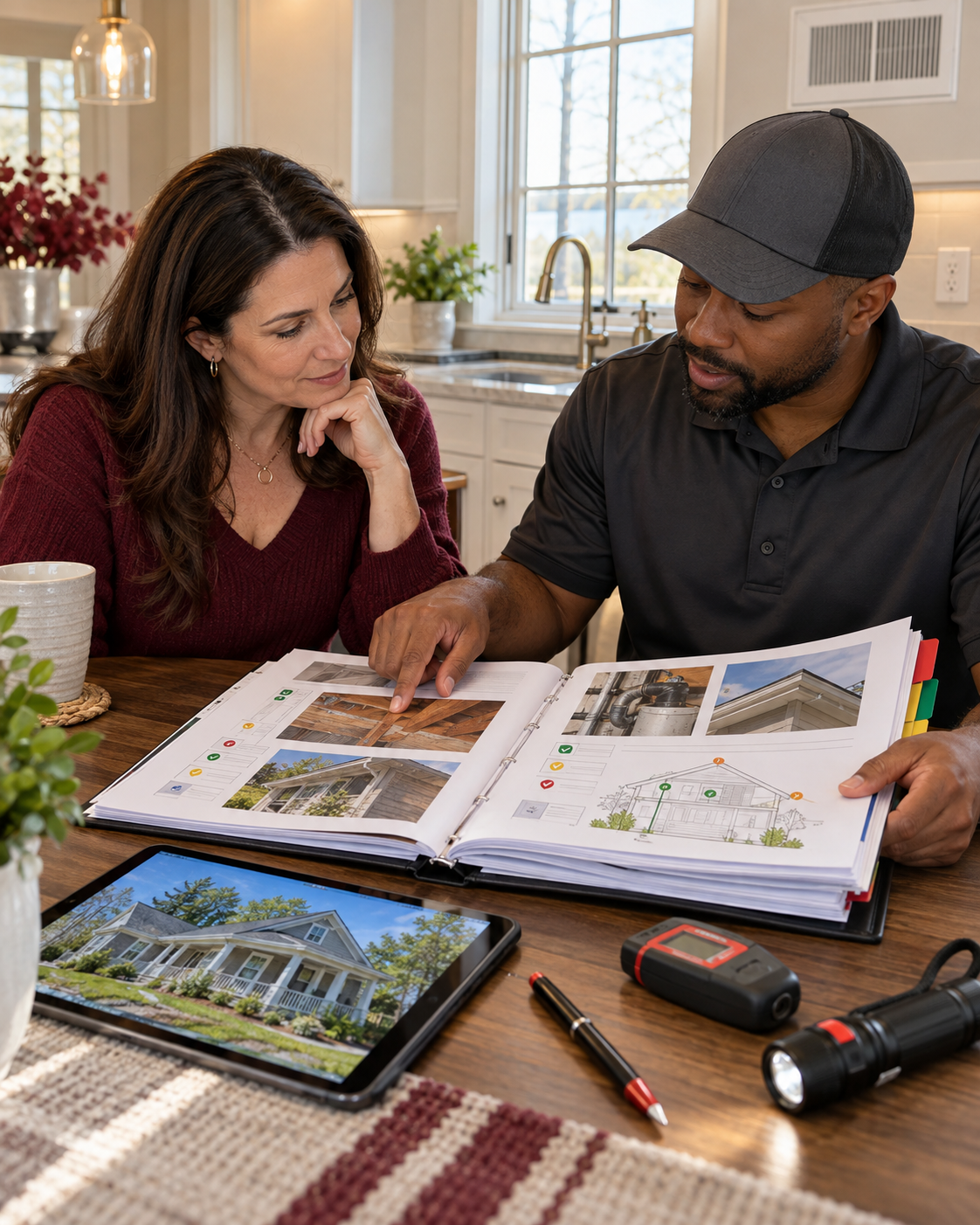
A long inspection report does not automatically mean the home is in poor condition.
Reports frequently contain:Safety Concerns
Identify conditions that may affect occupant safety or require prompt attention.
Major Systems
Review the roof, foundation, plumbing, electrical, heating and cooling systems for significant findings.
Water and Moisture
Pay attention to drainage, roof leaks, plumbing leaks, crawlspace moisture and evidence of previous water intrusion.
Additional Evaluations
Determine whether the inspector recommends evaluation by a contractor, engineer or specialty professional.
Maintenance Items
Separate ordinary maintenance from urgent or potentially costly concerns.
What Should Buyers Do With the Inspection Report?
Buyers should review the report with their real estate agent before the contractual inspection deadline.
Depending on the purchase agreement, possible next steps may include:What Should Sellers Do With a Pre-Listing Report?
A seller should review the report and decide which findings deserve attention before listing.
Possible steps may include:What Should Homeowners Do With a Maintenance Report?
Homeowners can use the report as a planning tool.
Consider organizing findings into:Address Now
Safety concerns, active leaks and conditions that could cause additional damage.
Plan Soon
Repairs or professional evaluations that should be scheduled within a reasonable period.
Monitor
Aging components or visible conditions that are currently functioning but should be watched.
Routine Maintenance
Cleaning, servicing, sealing, caulking, drainage improvements and other recurring maintenance.
Frequently Asked Questions About Home Inspections
Are home inspections only for buyers?
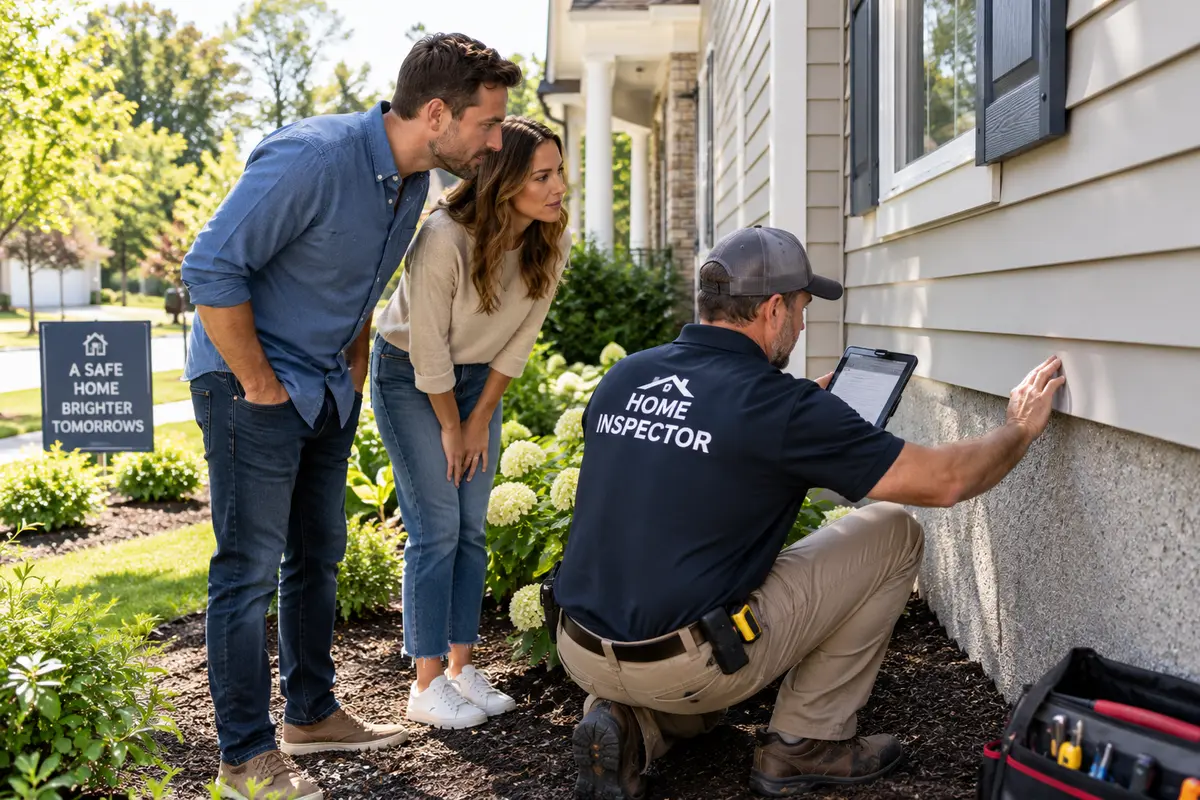
No. Buyers commonly use inspections during a purchase, but sellers may order pre-listing inspections and current homeowners may use inspections to better understand maintenance needs.
Is a home inspection required in Maryland?
How long does a home inspection take?
How much does a home inspection cost?
Who pays for the inspection?
Should the client attend?
Can a home fail an inspection?
Does a general inspection include well-water testing?
Does a general inspection include the septic system?
Is an appraisal the same as a home inspection?
How The Southside Group Can Help
The Southside Group Real Estate helps buyers and sellers throughout St. Mary’s County, Calvert County and Charles County understand how the inspection process fits into a real estate transaction.
If You Are Buying
We can help you:If You Are Selling
We can help you:Have Questions About a Home Inspection?
The Southside Group guides your home journey.